Resilient Leadership in Times of Rapid Change with Betty Dannewitz, Learning Solutions Architect at Blanchard
About the Guest
Betty Dannewitz is a Learning Solutions Architect with more than 20 years of experience in corporate learning and development. She is also an accomplished speaker, podcaster, and confidence coach. Widely recognized across the industry for her creativity, Betty specializes in innovative leadership development experiences that leverage augmented and virtual reality, podcasting, integrated learning journeys, and impactful digital content creation.
LD)19 - Betty Dannewitz
Julia: Welcome to L&D in 20, your go-to resource for all things workplace learning, brought to you by Go1. I'm your host, Julia Nieradka, Manager of Customer Success here at Go1.
Today on the show. I'm thrilled to be joined by Betty Dannewtiz, Learning Solutions Architect at Blanchard. An industry leader known for pushing boundaries of learning and development through dynamic human powered leadership learning experiences, that enable leaders at all levels to turn potential into performance. With years of experience transforming how organizations approach learning Betty brings a wealth of insight into creating impactful, engaging, and future ready L&D programs.
Betty, welcome to the show.
Betty: Thank you so much. Thanks for having me.
Julia: It's so great to have you and in today's deep dive segment, we are going to discuss leadership in an age of change. Huge one for today. And my first question for you, Betty, is, you know, obviously we are in times of big, big change and leadership is needed as we all adapt to these new ways of working that are. Changing so constantly. What are a few strategies you've seen help leaders build resilience in times of constant change so that they don't burn out or lose confidence?
Betty: Yeah, I love this question. I'm glad we're starting out, like we're not even beating around the bush. We're just like, boom. Let's see. How do we fix this? So, um, you know, change, change fatigue is real. Like this is a real thing. I don't know about you, but like lately I have found myself when things start to change, I'm like, really? Again? We're gonna do that? We're doing this again? Okay, cool. And it's like this cynical, like whatever ok maybe that's just a Gen X in me. I don't know. Whatever is sort of our, our mentality in general, when it comes to trying to build resilience, when things are constantly changing, when by the time you start to put into practice something that might help you through this current change, something else is changing.
The thing is we have to figure out what is it that works to help us stop just surviving and instead actually start thriving. We often live comfortably I will even add, in this survival mode, we get into this mode where we're just trying to get what we need done, done today and tomorrow, I can deal with tomorrow. Well, after you do that for a while, you're just literally just donkey paddling your way through, through life. You're just trying to stay afloat and there's nothing about that that's thriving.
So for me, when this happens, I always know that if I'm just surviving, that means that I need to stop or at least pause and get really clear on what is the most important things. I don't know if you've ever, uh, taken like a time management class.
I took one in, I don't know, 19 something, long time ago. And it actually changed my life forever, changed my perspective forever when I learned that I'm actually supposed to like, schedule the big things first, the things that matter most first, and then put in some of the small things and then.
When I can sprinkle in the rest. And so that made a huge difference on me. And I have to sometimes just go back to that sort of fundamental thought of, okay, what is it that really matters? And then align everything to that. So if right now the thing that matters most is I've gotta get to and through the holidays in a happy way where my family is happy and we're keeping things, you know.
Fairly normal, regardless of everything else that's going on around us. Then every time I have to take a step or set a goal, I'm aligning to that. Now, that's a personal one, right? But even professionally as well, when it starts to feel like the noise is too much, you have to sort of pause and get really clear on what matters most, and then you have to, I love this phrase, mercilessly, prioritize,
First of all, I love that mercilessly prioritize. I think that's a t-shirt. I think you could sell it. I think
Julia: So many things about that I love it so much, but it's such a refreshing take it feels like permission for a lot of people and they, and people needed to hear that I think today. And I really love how you've framed it as sort of moving from surviving to thriving. And it's a mindset shift too, right?
Betty: Yep.
Julia: Onto our next question, which is what old leadership frameworks do you feel that in this day and age are now sort of outdated, Betty, and what do you think L&D leaders or any leaders should be focusing on when it comes to their own leadership and supporting the growth of leaders in their organizations?
Betty: So I'm not a big fan of calling things old. However, I will say there are some that are out of date And honestly, a lot of frameworks are timeless. Right? So, so attaching an age to it doesn't necessarily make it out of date or, no longer relevant.
But there are some that have been around a while that I would say are out of date, no longer relevant, and you should avoid at all costs in our current times. And I would say anything around command and control.
You should definitely call out, nope, this is not the way. Okay, so we are in the AI timeframe someday.We never know. Someday they may call these generations the AI generations. People are already hearing from their leaders constantly, use AI, uh, to make you more efficient. Do this, do that. Oh, don't forget about AI. And AI is your coworker and a uhhuh. You know what I'm talking about. You've heard this before. The last thing they need to hear is also do it my way and do it now. And if you don't do it, you're out. And so to me, we have to avoid anything that is not people centered because that's what people need right now.
There's so much uncertainty and, concern about AI and it taking jobs or taking promotions or taking opportunities or just taking away the opportunity to practice the skills that you have. And so with that anxiety, we need to combat that or sort of come up against it with, actually we need people.
People like you, and sort of that whole idea of love in the workplace. Like I know when I first say that, people are like, whoa, HR is like, whoa, but actually, Marcus Buckingham just wrote a book about why we should be talking about love in the workplace because the word love means so many different things and we have to find the one that that applies to work.
Like we have to have care for the people that are with us. So, I say all that to say anything, command and control, anything that doesn't put humans and people in, you know, first I would avoid like the plague. I would say that L&D leaders, you know, with their own leadership or even the, when they're working with leaders in their organization, it's all about being strategic, agile.
Fancy words for saying, being able to flex and flex quickly and in a positive way.
We talked about mercilessly prioritizing, but I would also say part of being strategically agile is. Being willing to be okay with imperfection. I think a lot of times we chase this perfectionism idea, like everything has to be perfect, but actually the way that things move forward is they're not perfect.
We have to kind of see what's happening around us, what's the environment around us and how can we strategically change and shift with it? So, for example, when it comes to this times of extreme change like we've talked about, and this AI generation, why wouldn't we be the ones on the forefront leading the change?
Maybe we're not the ones out there saying, Hey, you need to use AI every day, but maybe we're the ones saying, Hey, try this prompt. It worked for me. It helped increase my efficiency in X, Y, Z area. You should give it a shot too. So we should be the ones out there sort of leading the change and, and coming alongside the operational leaders, to do that.
I love this saying, uh, one of the things we say at Blanchard is that, so you can be operationally agile, right? So you can be really quick at, um, to change and flex when it comes to tasks, or you can be strategically agile. You can be really quick to change and flex when it comes to the strategy or the direction you're going.
But here's the thing, operational agility is gonna keep you busy. Keep you doing stuff, but strategic agility is gonna make you bold and it's gonna help you decide to innovate. It's gonna help you decide to be a part of that change and maybe even lead those changes that are going on in your organization.
So while I think both are important, that strategic agility is what's gonna give you that boldness to help move the organization forward.
Julia: Yeah, absolutely. I, you reminded me, I had a, a leader at one point who actually said to me, get it at least 70% of the way there, it doesn't have to be perfect, but let's just keep it moving.
A really great tip, but also, uh, I really, uh, love your point about strategic agility and that it's not just about moving fast, but moving smart. And I think a lot of L&D leaders are realizing that being bold sometimes means stepping into the strategy lens, not just delivery 'cause we can really get caught up and just deliver, deliver, deliver, deliver.
Betty: If we connect it back to your first question, you know, operational agility is surviving. You really can't thrive unless you're thinking ahead strategically about, okay, so this, maybe this is what we're doing operationally today, but where is that leading us? Where are we going? What's that north star?
What's that compass that we're following that thing that matters most? And so it kind of all connects back to that. That's how we thrive, because you have to actually grow and, and change and innovate in order to thrive. Uh, operationally being, being operationally agile will just keep you busy.
Julia: Absolutely spot on. As experienced leaders are stepping away, a new generation is taking the reins, what are some of the primary challenges you are observing for up and coming leaders and what advice would you have for L&D leaders as they try to train rising talent?
Betty: If there's anything that we know, it's that everything is changing faster than we can even figure out what's changed. It's faster than we can even comprehend and this sucks. I'm just gonna say it. It's not comfortable. Nobody's having a good time. Maybe the thrill seekers and the adrenaline junkies are having a good time.
I'm not sure. But for the most part, like we're all having to figure this out and that includes this new generation. I think we have to remember that. The other thing too is that this new generation of leaders, they've grown up learning a little bit differently than we do. They've grown up, uh, managing or being managed a little bit differently.
And while I'm not a huge fan of segmenting people out by generation, I think it's important to keep in mind those things as you are working with and raising up new talent, because it may be a difference between how you communicate or how you, you execute just on, just based on generational preference, right?
So, all right, so one thing to kind of say first off, is to encourage those that you're sort of training and rising up to learn good habits and skills for dealing with change. Because again, I go back to that if they, if you're bringing up somebody to be a leader who is just really good at their job.
Which let's, let's face it, most managers become managers, not because they learned how to be manage people, but because they learned how to do their job really well. We wanna take and make sure that they have the skills they need to deal with change so that they have the ability to be resilient, to be curious, to go out there and, um, and speak up and ask questions during times of change. They'll never sort of be caught off by surprise, caught by surprise. When that, when a change does come, I would also say.
This is one of my favorites. Pivot. Are you familiar with friends? And the pivot scene
Julia: Black Ross.
Betty: That word will never not mean that. But when you pivot, do it on purpose, not out of panic. So as we're having, you know, this new generation comes up, I think you teach them to recognize an opportunity to pivot or make a change, or be adaptable or be agile and help them to see the purpose behind it, rather than all of the emotion that's probably building up as well.
I mean, they're gonna feel that whether you pointed out to them or not. But what you could do is point out to them, hey, take a deep breath. Focus on what the purpose is of this pivot and don't panic. Right? And so help them understand that.
And again, I would even go back to use another P word. We talked a little bit about perfectionism. We have to stop rewarding it. We have to find a way, and this is really difficult to stop rewarding perfectionism, but rather reward progress. Progress, pivot, good habits, those are the things that I think, are really gonna help that next generation.
Julia: Yeah, pivot with purpose, not panic.
I also love that along with your mercilessly prioritizing that's two things that are gonna stick with me after today, but I really love that phrase, and I think it really captures the balance between being adaptive and staying grounded. That's gold advice for anyone listening and anyone leading through uncertainty, which is basically every day of our lives at this point, let's be honest.
Betty, when capable people step into leadership for the first time, what in your opinion, are some of the emotions and challenges that they typically face that organizations might underestimate, and how can L&D help 'em to navigate those changes?
Betty: I have a lot of thoughts on this. I'm gonna start with the, the first one that comes to mind when you say this, and that is the idea of the, the buddy to boss phenomenon, right? So like, like I mentioned, often people when they, when they become a manager, they're either now managing the team they used to be on or one that's probably adjacent to it.
And so they are amongst people that they used to be peers with, and now those people might report to them or report to a peer and. A lot of people, most of most people that go through this experience, some sort of existential identity crisis when this happens because. Suddenly you have to play this new role.
And so there's a couple of things I think that we can do as L&D to help when they, these changes, usually we're involved with that promotion in some way. We're providing a new manager training, new manager orientation, new manager tools, something we can also help not just with that, but help them build their network across the business because at this point now they're now shoulder to shoulder with people that that used to be above them in the organization. And so they're already feeling a little bit of, well, do I even belong in this space? So you can help them along by sort of helping them build their network.
That's why when we do training classes, we make people talk to each other. It's not for those introverts out there that are like, I hate it. I get it. I totally get it. However, it's really helping you. It really is, it's helping you build those relationships and helping you build your communication skills.
So I would definitely suggest that. And then also like even for new managers, the idea of getting them involved sort of outside of their normal job duties. So to continue to build that network, not only so that they have. Friends across the organization, but so that they also can find opportunities to collaborate across the organization and learn more about the other parts of the organization.
So maybe it's some sort of, multi-department project. ,Maybe it's some sort of, uh, employee resource group. So maybe it's not even about departments, it's more about something else, some other commonality that brings them all together. Those types of things. But I would highly encourage that and not just as a boss to your employee encouraging that. But as L&D, as learning development, we should be talking about those opportunities as if they're gold, like you said, right? Like this is the golden opportunity for you to go out there and meet people, and learn more about what they do, uh, in within the organization because you never know when you're gonna need their support or when they're gonna need yours.
So creating that network can make a huge difference when it comes to helping people really assimilate newly into, into leadership.
Julia: What a fantastic piece of advice. I've actually never, uh, heard it framed that way, and I really, that buddy to boss transition is just such an emotional shift, isn't it? And you know your advice to help people build networks, is, uh, and those personal bonds with people in different cross-functional groups is so important and such a practical thing that many people can walk away with and do tomorrow.
I think also if you don't have a leader that is helping make those connections, it's a good reminder to people that you can, you don't have to wait.
Betty: Right.
Julia: For somebody to kind of, to assist you with that. Go out there, send a slack message, set up a coffee, catch up.
Now let's get into our next segment, AI at Work, where we dive into how you're using AI at work to work smarter and how you're helping your teams to do the same.
So, Betty, how are you thinking about AI at work and what do you think L&D leaders should and need to be aware of?
Betty: It is interesting because if you're an L&D leader and you're not doing anything with AI like, can I just make a weird face? And people will know. Ugh. I don't know what to tell you about that except you’re way behind. When AI first came out, I had a bad attitude about it.I'm not gonna lie. I was like, um, this is dumb. I'm smarter than this thing. And then. I was playing around with it. 'cause everybody kept saying, well, maybe we should throw this into Chet GPT, blah blah, blah, blah, blah. I'm making weird noises because this is how I felt in my head. I was unhappy
Julia: Yeah.
Betty: And I put something in AI and I asked it to write something for me and it wrote something for me.
And I literally was like this, Julia, what do you even need me for anymore? Like I immediately was like. I'm gonna have to go learn how to make french fries or something, 'cause I'm not gonna be able, you don't even need me to do this job anymore. , In the Gen Z slang, I crashed out about it, which just, just in case nobody knows, that means like, I was very sad.
Julia: Thank you for that translation.
Betty: What it means. It took me like three days to get my mindset back to where I was like, what the heck is wrong with you? The only reason you knew that was any good was because you are good at what you do.
And so that's when I started to sort of see AI instead as more as a coworker as sort of like that, that that eternal intern, right? Forever my thinking partner. Sometimes my thinking partner is wrong. In fact, I used it earlier today. I was trying to punch up an article I was writing and I was like, how else could I say this?
And I, and I literally like took this partial, partial sentence and I put it in AI. I was like, how else could I say this? And it came up with it and I was like, no, that sucks. I don't like it. And then I wrote it, but it triggered enough ideas for me to be able to fix it myself. And so that's kind of how I use it, is,
know a thinking partner. I think like, you know, I'm all about alliteration, as you've probably picked up on that. So at first I thought of it as a fiendish foe, and now it's like my friendly bro. Right. You can laugh. That's funny. I've worked hard on that one.
Julia: I do like it. I do like it.
Betty: Bradley friendly bro. So like. I'm okay with it now.
And you know, I've heard this said, I'm not the first person to say this. I've heard this said before and I really believe it. When we think about AI coming for our jobs, it's not AI that's coming for our jobs. It's people who know how to use it better than you or are more willing to use it than you are that might come and take your job.
Julia: Mm-hmm.
Betty: So it's a skill that we have to learn and that skill includes not only how to use it, but how to review it and know whether to take what it gave you or leave it. And I think that's the part, that discernment part is the part we can really sharpen, and not be so worried about how good it is, quote unquote.
But how does it enhance what I do? How does it help me be even better and sharper? That's where I'm at now.
Julia: The Eternal intern is amazing. You, inspired me too while you were saying that, um, because you could totally prompt it to say, you know, brainstorm with me.
Let's have a back and forth brainstorm instead of sort of just the one way prompts that some of us do sometimes. It's a mindset shift that makes AI feel more collaborative instead of competitive against us.
Betty: One more hot tip. This again isn't mine, I do have original thoughts, believe it or not, but I also listen to those that are around me. My buddy Dery gave me this tip. He said, Hey, whenever you're asking AI to do something, the last thing you should type in there is ask me as many questions as you need to to understand my request.
It makes the search so much deeper, right? So you give it a prompt and then you say that and it will ask you like six or eight questions that really refine it. And so you spend less time re prompting re-prompt, re-prompt and getting it to ask you questions, just like you would if you actually had an intern.
You said, if you have any questions, let me know.
I actually saw something about that today where it was, you know, one of those reels and the person in the reel was guiding people to put that in as one of the, um, preferences in your settings in chat
Oh, that's a great idea too.
Julia: You can get to 98% certainty, for example, when you're working through any kind of prompt, and it'll continue to ask you those questions, so that's amazing.
Betty: Yeah, that's a great idea. It's a great ad.
Julia: Moving into our Future Ready segment where we talk about the future of work and how L&D leaders can prepare themselves and their teams. What do you think is coming that L&D leaders need to be aware of Betty, and how can they prepare themselves and their teams?
Betty: More change. More change is coming. I think as the organizations are changing and we're seeing it with constant, uh, restructures, uh, job eliminations, new jobs being created, and we're like, wait a minute, you just eliminated these jobs. What do you do? So there are organizations are finding a new way, and so we're gonna have to change with them.
I think what we need to keep in mind, and this is because I, I don't want people to freak out what we do doesn't really change. How we do it is changing constantly. So what we do is we come alongside the business, we listen to what their needs are, we help them find solutions.
But more change is what's coming we need like human support system. So if that means. Reaching out and networking with other learning and development and talent development people across your organization, 'cause a lot of folks are now decentralized. If you reach out to others in the industry, maybe through LinkedIn or LinkedIn groups, you go to a conference and you just kind of have sort of this board of folks that you can go to when you're not sure what to do next. Doesn't mean you have to share your industry secrets, but you can say, Hey, look, I've gotta meet with a stakeholder. These are the things I think he's gonna say, or she's gonna say, um, what do I do? How do I, how do I get my, whatever?
It's, I'm trying to get through this stakeholder
That's what's gonna help us to keep pivoting and not panic.
Julia: You keep bringing it back to the human element of, of it all, which the end of the day, you know, it's, uh, people who make these transformations happen and. Change is, change can be emotional too. And sometimes future ready is not just about new technology and training, but it's about emotional and relational readiness as well.
Betty: Absolutely. You notice I didn't talk about technology at all. Because technology is always gonna change., That's the only thing that stays the same is that everything changes and we just have to keep being ready for that right now. It is fast, furious, intense, and I don't see it letting up anytime.
Julia: It's not stopping. If anything, it's becoming more the norm, being uncomfortable with change and just building that resilience. Resilience is probably one of the most important things in this, in this time. I think we're living in.
Betty: Agreed.
Julia: And now moving into our final segment, the Learning List. What are your favorite L&D related learning content and resources?
Betty: Sure. So of course I would say the, if you ask Betty podcast, 'cause I don't know if you know Julia, but I have a podcast and it's about all types of development topics for all kinds of learning professionals. I've also got close to 50 episodes about imposter syndrome.
And in another shameless plug, I would also say, I am a big fan of TD Magazine and actually had an article come out in the November edition here. It's right here. It was actually the cover article, which I was not, which I was completely surprised when it came out. Did not know.But it's called All That Glitters is Not Gold and it's all about emerging tech. And how do you differentiate between, you know, the hype but act or actually something that could make an impact on your business. So definitely TD Magazine. I'm also a fan of training magazines, live webinars, some of them pro provide some of the best content that you can get in a lunch hour.
Julia: That's fantastic, and you're clearly very passionate about sharing your knowledge in different forms in different ways, and we've loved having you today. So thank you so much for joining us, Betty.
Betty: Thanks for having me.
Julia: Thanks for tuning into the show. I'm your host, Julian Nieradka, and that wraps up another episode of L&D in 20. To continue the conversation, send me a message on LinkedIn through the show notes. Your comments will help inform future episode and who knows, maybe we'll even feature some of your questions on the show.
We'll catch you on the next episode, and until then, keep learning.
Related Podcasts
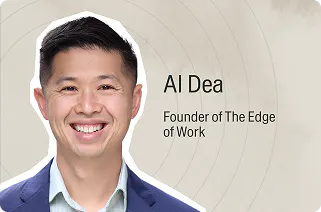
The New Buying Committee: Who's Really at the Table

Design for Doing: Turning Learning into Capability
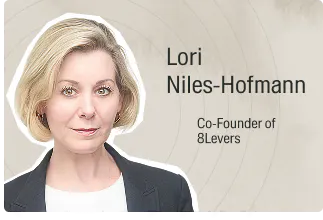
The 7% Problem: Why Learning Has Left the LMS, and What L&D Must Do Next
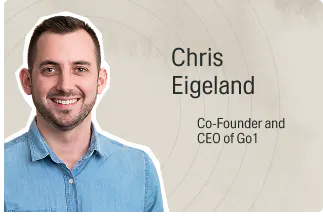
When AI Outpaces the Org Chart: What HR Needs to Know

Train smarter, spend less
Connect with a Go1 expert to explore the best training options for your organization—no pressure, just solutions that work.